The Integration of Virtual Care Technologies in In-Home Care Services for Seniors in Roswell, GA

Role of Virtual Care Technologies in Senior Home Care in Roswell, GA

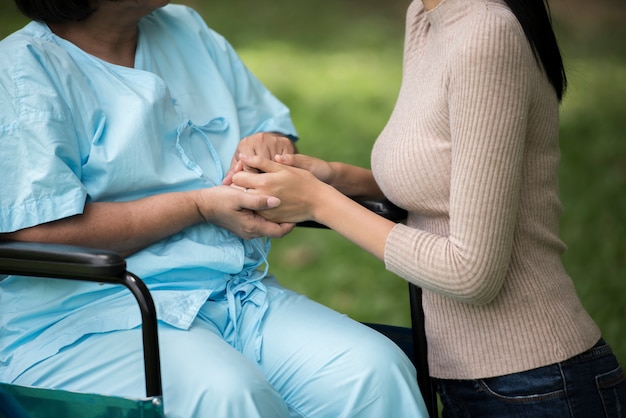
caregiver holding old man's shoulder

Photo by Freepik

As the demand for in-home care services for seniors continues to rise in Roswell, GA, there is an increasing emphasis on integrating virtual care technologies into the services provided. These technologies have the potential to transform how seniors manage their health, enhance their quality of life, and reduce the need for frequent hospital visits.

For many seniors, home care provides the ability to age in place, allowing them to stay in the comfort and familiarity of their own homes. However, managing chronic health conditions, medications, and maintaining a healthy lifestyle often requires more than just in-person visits from caregivers. Virtual care technologies such as telemedicineremote monitoring, and health apps offer a way to connect seniors with healthcare professionals in real-time, streamline care processes, and improve outcomes.

In this article, we will explore how the integration of virtual care technologies into home care in Roswell, GA, benefits seniors, providing them with more personalized, accessible, and efficient care from the comfort of their homes.

The Benefits of Virtual Care Technologies in In-Home Care for Seniors

Overview:
Virtual care technologies have revolutionized how healthcare is delivered to seniors, particularly those with chronic conditions or limited mobility. By combining these technologies with in-home care services, seniors can now receive continuous health monitoring, access healthcare professionals remotely, and enjoy personalized care plans tailored to their individual needs. These technologies improve accessibility, reduce hospital visits, and provide seniors with more control over their health.

Access to Remote Health Consultations and Telemedicine

One of the most significant benefits of virtual care technologies in home care services is the ability to access telemedicine consultations from the comfort of home. Telemedicine allows seniors to have virtual doctor’ s appointments, participate in follow-up care, and consult specialists without the need to travel to a clinic or hospital. This is particularly helpful for seniors in Roswell, GA, who may have mobility issues or live in more rural areas where healthcare facilities are farther away.

By using telehealth platforms, seniors can:

  • Consult with primary care physicians or specialists about ongoing health concerns.

  • Discuss lab results and get treatment recommendations during video calls.

  • Manage chronic conditions like diabetes, hypertension, or heart disease with remote consultations.

This virtual access to healthcare improves convenience for seniors and allows them to maintain their medical appointments regularly, even if they are unable to leave home.

Real-Time Health Monitoring and Chronic Disease Management

female nurse having a check-up with elder woman at nursing home
Photo by Freepik

Remote monitoring tools are another vital aspect of virtual care technologies. These devices allow caregivers and healthcare providers to track seniors’ health metrics in real time. Seniors can use wearable devices, blood pressure monitorsglucometers, and other health apps that automatically share their data with caregivers or doctors, allowing for continuous monitoring.

This is particularly beneficial for seniors with chronic conditions like diabetesheart disease, and hypertension, as caregivers can:

  • Track vital signs such as blood pressureglucose levels, and oxygen saturation without needing in-person visits.

  • Identify trends in health data to adjust care plans and avoid health crises.

  • Alert healthcare providers if there are significant changes in the senior’ s condition, allowing for quicker interventions.

The ability to monitor health remotely ensures that seniors receive timely interventions, helping to prevent complications and hospitalizations.

How Virtual Care Technologies Enhance the Efficiency and Quality of In-Home Care in Roswell, GA

Overview:
In Roswell, GA, integrating virtual care technologies into home care services not only improves the quality of care but also enhances caregiver efficiency. With access to real-time health data, caregivers can adjust care plans as needed, leading to better health outcomes for seniors.

Telehealth for Routine Health Check-Ups and Follow-Ups

Routine health check-ups and follow-up appointments are an essential part of managing chronic conditions. With telehealth, seniors in Roswell, GA, can have virtual check-ups with their doctors without leaving home. This provides seniors with the ability to:

  • Monitor their health status regularly, even when in-person visits are not possible.

  • Discuss health changes, such as new symptoms, pain levels, or medication side effects, with their healthcare provider.

  • Receive ongoing care and support from doctors, making it easier to stay on top of their health.

This virtual access reduces the need for travel and waiting times, which is especially beneficial for seniors with limited mobility or those who live in more remote areas of Roswell.

Medication Management and Automated Reminders

daughter teaching her mother to use the smartphone
Photo by Freepik

One of the most common challenges seniors face is remembering to take their medications on time, especially when managing multiple prescriptions for chronic conditions. Health apps and digital reminders integrated into home care services help seniors manage their medications by:

  • Sending automated reminders when it’ s time to take medications.

  • Tracking medication usage and ensuring seniors adhere to their prescribed treatment plans.

  • Alerting caregivers if medications are missed or need to be refilled.

This technology-driven support ensures that seniors stay on top of their medications, reducing the risk of complications or missed doses that could lead to further health problems.

Overcoming the Challenges of Virtual Care Integration in Senior Home Care

Overview:
While the benefits of virtual care technologies are clear, there are some challenges in integrating these technologies into home care services for seniors. Issues like technological literacydata privacy concerns, and internet access can pose barriers for seniors, particularly those who are not familiar with digital tools.

Overcoming Technological Barriers and Improving Digital Literacy

Many seniors may feel overwhelmed by new technology or have trouble navigating telehealth platforms and health monitoring apps. Home care agencies in Roswell, GA help overcome these barriers by:

  • Providing technology training: Caregivers teach seniors how to use devices, apps, and telehealth platforms.

  • Offering ongoing support: Caregivers assist seniors with setting up and using their devices to ensure they are comfortable and confident with the technology.

  • Using user-friendly technology: Devices and apps are chosen specifically for their simplicity and ease of use.

By providing training and support, home care agencies ensure that seniors can fully benefit from virtual care technologies.

Addressing Data Privacy and Security Concerns

As with any technology that involves health data, data privacy and security are top concerns. Home care providers in Roswell ensure that all virtual care technologies follow strict guidelines to protect seniors’ personal health information, including:

  • Using encrypted communication channels for virtual consultations and health data transmission.

  • Following HIPAA (Health Insurance Portability and Accountability Act) guidelines to ensure that health information is secure.

  • Educating seniors and their families on how to keep their data safe.

By addressing these concerns, home care agencies provide peace of mind to seniors and their families, knowing that their data is protected.

The Future of Virtual Care in In-Home Care for Seniors in Roswell, GA

Overview:
The future of virtual care in home care services for seniors is filled with exciting possibilities. As technology continues to advance, home care providers will have even more tools at their disposal to offer personalized, efficient care to seniors in Roswell, GA.

The Role of Artificial Intelligence in Enhancing Senior Home Care

Artificial intelligence (AI) has the potential to revolutionize senior home care by providing more predictive care. For example:

  • AI-powered health assistants can help seniors manage their care by offering reminders, answering questions, and even tracking symptoms.

  • AI-based health analysis can predict health risks based on historical data and offer recommendations for early intervention.

This integration of AI can make in-home care even more efficient, reducing human error and enhancing decision-making.

Expansion of Smart Home Technologies in Senior Care

african american doctor helping senior man to get up from the chair during home visit
Photo by Freepik

The future of in-home care also includes the expansion of smart home technologies. For example:

  • Voice-activated assistants can help seniors with mobility limitations control lights, temperature, and security systems without needing to get up.

  • Fall detection systems can automatically alert caregivers if a senior falls, allowing for faster response times.

  • Smart health devices, like smart scales and blood pressure monitors, will continuously track vital signs, providing real-time data for caregivers and healthcare providers.

These smart home technologies can create safer, more comfortable environments for seniors while ensuring their care needs are continuously met.

Future of In-Home Care in Roswell, GA with Virtual Care Technologies

In Home Care in Roswell GA, is evolving thanks to the integration of virtual care technologies. These innovations provide seniors with more accessible, efficient, and personalized care from the comfort of their homes. Through the use of telemedicineremote monitoring, and digital health toolshome care providers are able to offer comprehensive support that addresses both medical and emotional needs, ensuring seniors maintain their independence and well-being.

As technology continues to advance, virtual care will play an even more significant role in transforming in-home care services for seniors, offering them the ability to live safely and independently while remaining connected to healthcare providers.

FAQ Section

happy mature woman in wheelchair holding hands with her doctor in hospital hallway
Photo by Freepik

Q1: How do virtual care technologies enhance home care in Roswell, GA?A1: Virtual care technologies enable seniors to access telemedicineremote monitoring, and health apps to manage chronic conditions, receive virtual consultations, and track their health, all from home.

Q2: What types of virtual care technologies are used in in-home care for seniors?A2: Common virtual care technologies include telemedicine platformswearable devices for health monitoring, and health apps that track vital signs, medication schedules, and daily activity.

Q3: How does telemedicine benefit seniors receiving home care in Roswell, GA?A3: Telemedicine allows seniors to have virtual doctor’ s appointments and consultations, reducing the need for travel and providing more frequent check-ups without leaving home.

Q4: Can home care providers assist with medication management using virtual technologies?A4: Yes, home care providers use digital reminders and health apps to ensure seniors take their medications on time and track their health, preventing missed doses and complications.

Q5: What challenges come with integrating virtual care technologies into home care?A5: Challenges include technological literacydata privacy concerns, and internet access. However, home care agencies help seniors navigate these barriers with trainingsupport, and user-friendly tools.

Q6: How can home care providers help seniors become familiar with virtual care technologies?A6: Home care agencies provide training and support to help seniors use telemedicine platformshealth apps, and remote monitoring tools, ensuring they can fully benefit from these technologies.

Q7: How does remote health monitoring work in home care?A7: Remote health monitoring involves using devices like wearable trackersblood pressure monitors, and glucose meters to track seniors' vital signs in real-time and share the data with caregivers and healthcare providers.

Q8: What are the long-term benefits of using virtual care technologies in home care for seniors?A8: Virtual care technologies improve chronic disease managementreduce hospital visitsenhance independence, and provide seniors with better access to healthcare, all from home.

Q9: Will in-home care services in Roswell, GA, continue to incorporate new technologies?A9: Yes, in-home care services in Roswell will continue to evolve with innovations in AIwearables, and smart home technology, offering more personalized and efficient care for seniors.

Q10: Can home care agencies help seniors with mental health care using virtual care technologies?A10: Yes, home care providers can facilitate virtual therapy sessions, offer emotional support, and track mental health using telehealth and digital tools, ensuring comprehensive care for seniors.

The Future of Holistic In-Home Care in Troy, MI: Integrating Therapy, Exercise, and Wellness

Introduction: The Shift Towards Holistic In-Home Care in Troy, MI

nurse holding pills and glass of water
Photo by Freepik

As healthcare continues to evolve, the focus is increasingly shifting from traditional methods to holistic care, particularly in in-home care services. In Troy, MI, seniors are benefiting from a more integrated approach to health, where therapy, exercise, and wellness practices are seamlessly combined to enhance their overall quality of life. Holistic in-home care isn’t just about treating the symptoms of physical conditions—it's about addressing the whole person, including their mental, emotional, and social well-being.

With an aging population seeking to remain independent and live in the comfort of their own homes, holistic care has proven to be an effective way to enhance both physical health and mental health. This article explores the future of holistic In Home Care in Troy MI, and how integrating therapy, exercise, and wellness can improve the lives of seniors and help them age gracefully and healthily.

1. What is Holistic In-Home Care and Why is it Important for Seniors?

The Concept of Holistic Care in Senior Health

Holistic in-home care focuses on treating the whole person, not just a specific illness or condition. It recognizes that physical health, mental health, and emotional well-being are interconnected, and that seniors require care that addresses all of these elements. Instead of just focusing on managing individual symptoms, holistic care aims to help seniors maintain balance in their lives, promote well-being, and prevent future health issues.

For seniors, especially those living with chronic conditions or recovering from surgery, holistic care is crucial. It encourages prevention, self-care, and active participation in one’s health. In-home care services provide personalized care that integrates a range of therapeutic, exercise, and wellness practices, creating a comprehensive and tailored approach to health that allows seniors to stay as independent and healthy as possible.

The Benefits of Integrating Therapy, Exercise, and Wellness

Integrating therapy, exercise, and wellness practices has been shown to improve physical health, mental clarity, and emotional balance. Each of these elements plays a vital role in a holistic care plan, offering benefits such as:

  • Therapy: Helps manage pain, improve mobility, and recover from injuries or surgeries.
  • Exercise: Enhances physical strength, flexibility, and endurance, improving daily functioning and reducing the risk of falls or injury.
  • Wellness: Focuses on nutrition, mental health, and stress management, fostering overall well-being and encouraging a positive outlook on life.

Together, these elements form a cohesive care approach that benefits seniors physically, mentally, and emotionally. This approach supports seniors in achieving a higher quality of life while reducing the need for frequent hospitalizations or emergency care.

2. How Holistic In-Home Care in Troy, MI Supports Therapy, Exercise, and Wellness

granddaughter talking with her grandmother sitting on wheelchair, cheerful concept, happy family
Photo by Freepik

The Role of Physical Therapy in Holistic Care

Physical therapy is an integral component of holistic in-home care. For seniors, especially those dealing with chronic conditions like arthritis, back pain, or joint problems, physical therapy helps improve mobility, strength, and balance. Home care providers in Troy, MI offer therapeutic exercises that are tailored to each senior’s physical condition and needs.

These exercises help seniors regain range of motion, increase muscle strength, and reduce pain and stiffness. Whether it's through guided stretching routines, balance training, or low-impact aerobics, physical therapy plays a pivotal role in enabling seniors to move safely and independently. In-home therapists also help seniors learn how to perform exercises on their own, fostering long-term benefits for musculoskeletal health and reducing reliance on external support.

Exercise Programs Tailored to Individual Needs

In addition to physical therapy, exercise programs are a cornerstone of holistic in-home care. Regular exercise has significant benefits for seniors, including improving cardiovascular health, maintaining healthy weight, and reducing the risks associated with chronic diseases such as diabetes and high blood pressure.

Home care providers in Troy, MI create customized exercise plans that account for each senior’s fitness level, preferences, and health goals. These plans can include:

  • Strengthening exercises to build muscle mass.
  • Flexibility exercises to maintain joint mobility.
  • Aerobic activities such as walking or stationary cycling to improve heart health.

By incorporating exercise into their daily routine, seniors can improve their overall stamina, energy levels, and mental clarity. Exercise also helps reduce symptoms of depression and anxiety, which are common among seniors dealing with physical ailments.

Integrating Wellness Practices for Emotional and Mental Health

Wellness is a critical aspect of holistic in-home care. It includes mental wellness, emotional support, nutrition, and stress management. Home care providers encourage seniors to engage in activities that promote mental stimulation, relaxation, and social interaction.

Examples of wellness practices integrated into home care services include:

  • Mindfulness meditation to reduce stress and improve focus.
  • Cognitive exercises like puzzles, reading, or learning new skills to maintain mental sharpness.
  • Social activities to foster engagement and reduce feelings of loneliness.

Additionally, nutrition plays a significant role in maintaining mental health and physical vitality. Home care providers help seniors with meal planning and preparation, ensuring they have a balanced diet rich in essential nutrients to support both their physical and cognitive health.

3. The Future of Holistic In-Home Care in Troy, MI

old patient suffering from parkinson
Photo by Freepik

The Role of Technology in Advancing Holistic Care

The future of holistic in-home care is likely to see even more technology integration. The use of telehealth, smart home devices, and wearable health trackers will help caregivers monitor seniors’ health in real-time, even from a distance. These technologies can track vital signs, detect falls, and even remind seniors to take medications. They also facilitate virtual check-ins with doctors or therapists, improving the coordination of care.

By leveraging technology, holistic in-home care will become more efficient and accessible, enabling seniors to receive personalized care tailored to their evolving needs. Remote monitoring will ensure that caregivers can respond promptly to any changes in a senior’s health, enhancing the overall eff

ectiveness of the care they provide.

Increased Personalization of Care Plans

As more seniors seek personalized care, the future of holistic in-home care in Troy, MI will emphasize highly individualized care plans. These plans will be designed based on seniors’ health assessments, preferences, and lifestyle goals. With a focus on both physical and mental well-being, care providers will integrate exercise routines, nutritional guidance, and emotional support to ensure seniors can live their lives to the fullest.

Personalized plans will also include more flexible schedules, allowing seniors to engage in their care activities at their own pace. This level of customization will improve senior satisfaction and outcomes, fostering better engagement and compliance with care routines.

Expanding Community Resources and Support

The future of holistic in-home care will likely include expanded community resources, offering seniors access to social wellness programs, group exercise sessions, and mental health services. These resources will help seniors stay connected with their community, reducing feelings of isolation while improving their mental and emotional well-being. The collaborative care model will bring together healthcare providers, therapists, wellness coaches, and family members to support seniors in every aspect of their care.

4. The Role of Always Best Care in Troy, MI

Offering Comprehensive Care Through a Holistic Approach

Always Best Care in Troy, MI is at the forefront of holistic in-home care, integrating therapy, exercise, and wellness into their comprehensive services. Their approach combines physical care with emotional and mental well-being, ensuring that seniors receive the most effective, all-encompassing care possible. Always Best Care creates individualized care plans that address the whole person, focusing on physical rehabilitation, mental stimulation, and emotional support.

Technology-Driven Holistic Care Solutions

Always Best Care also integrates cutting-edge technology into their holistic care services. They use telehealth for remote consultations, smart home devices for monitoring, and wearable fitness trackers to track health metrics, providing seniors with a more advanced and convenient care experience. With a strong focus on innovation, Always Best Care ensures that seniors are connected to the best possible care, wherever they are.

Embracing Holistic In-Home Care for Seniors in Troy, MI

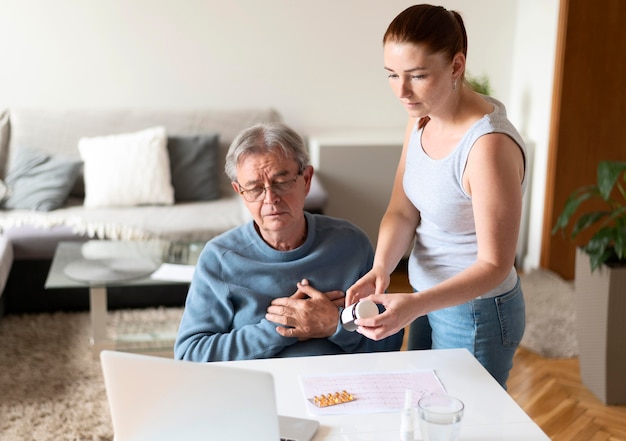
medium shot woman and sick man
Photo by Freepik

The future of holistic in-home care in Troy, MI holds great promise, with an emphasis on integrating therapy, exercise, and wellness practices to promote overall health for seniors. By addressing the physical, mental, and emotional aspects of senior health, holistic care offers a comprehensive solution that enhances quality of life, promotes independence, and prevents further health complications.

As technology continues to play a larger role in healthcare, seniors will benefit from more personalized care plans, real-time monitoring, and seamless communication with healthcare providers. With companies like Always Best Care leading the way in offering holistic care, seniors in Troy, MI can look forward to a future where aging in place is safer, healthier, and more fulfilling than ever before.

FAQ Section

Q1: What is holistic in-home care and how does it benefit seniors?
A1: Holistic in-home care addresses the whole person, considering physical, emotional, and mental health. It benefits seniors by offering personalized care that improves overall well-being and supports independence.

Q2: How does physical therapy contribute to holistic care for seniors?
A2: Physical therapy helps seniors regain strength, improve mobility, and reduce pain. It is a key part of holistic care, ensuring that seniors maintain physical functionality and independence.

Q3: How are exercise programs tailored for seniors with different health conditions?
A3: Home care providers create customized exercise plans based on each senior’s physical condition, ensuring that exercises are safe, effective, and meet individual health goals.

Q4: What types of wellness practices are beneficial for seniors?
A4: Wellness practices like meditation, mental stimulation, nutrition, and stress management help seniors maintain mental health, reduce stress, and improve overall quality of life.

Q5: How does technology improve holistic in-home care for seniors?
A5: Technology enhances holistic care by enabling remote monitoring, providing access to telehealth, and integrating smart devices that track health metrics, improving care coordination.

Q6: How does Always Best Care integrate therapy, exercise, and wellness into its care plans?
A6: Always Best Care combines therapy, exercise, and wellness into individualized care plans, addressing seniors’ physical, mental, and emotional health needs with a personalized approach.

Q7: What are the benefits of a personalized care plan in holistic care?
A7: A personalized care plan ensures that care is tailored to each senior’s needs, improving engagement, health outcomes, and overall well-being.

Q8: What is the future of holistic in-home care in Troy, MI?
A8: The future of holistic care in Troy, MI includes more technology integration, personalized care plans, and expanded community resources

How to Create a Safe Home Environment for a Senior with Mobility Challenges

disabled senior man in wheelchair working from home at laptop in kitchen while wife is cooking breakfast. handicapped businessman, disabilty entrepreneur paralysis for elderly retired man.
Photo by Freepik

The Importance of a Safe Home for Seniors with Mobility Challenges

As seniors age, mobility challenges can make everyday tasks more difficult and increase the risk of accidents in the home. Whether due to arthritisstrokeParkinson’s disease, or recovery from surgery, seniors with mobility limitations face unique challenges that require a carefully designed home environment to ensure safety and comfort.

Creating a senior-friendly home involves not only physical modifications but also ensuring that the senior has the right support and care in place. Rehabilitation Home Care can provide the necessary assistance, working alongside family members to create a safe and functional environment that promotes the senior’s independence and minimizes the risk of injury.

In this article, we’ll explore how to make simple modifications to the home, discuss assistive technologies and tools, and highlight how rehabilitation home care can help seniors maintain their mobility and safety.

Key Modifications for Creating a Safe Home Environment

When a senior experiences mobility challenges, it’s essential to make their living environment as safe and accessible as possible. Below are some practical home modifications that can make a huge difference in a senior’s ability to move around independently and safely.

1. Installing Grab Bars and Handrails

One of the simplest and most effective safety modifications for seniors with mobility challenges is the installation of grab bars and handrails. These devices provide seniors with extra support when moving around the home, particularly in high-risk areas like the bathroom and stairs.

  • Bathroom: Install grab bars near the toilet, in the shower or bathtub, and beside the sink. This ensures that seniors have something to hold onto for balance while standing, sitting, or moving.

  • Stairways: Ensure that handrails are installed on both sides of the stairs to provide support when going up or down. For wheelchair users or those with severe mobility issues, consider adding ramps to replace stairs where possible.

  • Hallways: For those with limited balance, handrails in hallways or narrow spaces can make it easier to move around without losing stability.

These simple adjustments can make a huge difference in preventing falls and giving seniors more confidence when moving around the home.

2. Improving Lighting for Visibility

For seniors with vision impairments or those who rely on mobility aids (e.g., canes or walkers), good lighting is crucial for preventing accidents. Dimly lit areas increase the risk of tripping or falling, especially when navigating obstacles in the home.

  • Task lighting: Install bright overhead lights or task lighting in kitchen areashallways, and bathrooms where seniors frequently move. Make sure the lighting is adjustable to meet the senior’s needs.

  • Night lights: Place motion-sensor nightlights in bedroomsbathrooms, and hallways so that the senior can move around safely at night without having to turn on bright lights.

  • Adjustable lighting: Consider smart lighting systems that can be controlled by voice or a smartphone, making it easier for seniors to manage their lighting without needing to get up and switch off/on lamps.

Rehabilitation home care providers can help seniors maintain their home’s lighting, ensuring that lights are placed in optimal positions for ease of movement and safety.

3. Eliminating Clutter and Trip Hazards

Seniors with mobility challenges are especially vulnerable to falls from tripping over objects or uneven flooring. Clutter and loose rugs are some of the most common hazards in the home.

  • Clear pathways: Remove unnecessary furniture or obstacles that could create tripping hazards. Ensure that walkways are wide enough for wheelchairs or walkers to pass through freely.

  • Secure rugs: Place non-slip mats or rugs with non-slip backing in areas where tripping is likely, such as in the living room or bathroom.

  • Organized spaces: Use storage solutions that make it easy for seniors to reach items without bending down or stretching too far. Consider using pull-out shelves or drawer organizers to reduce clutter and make items more accessible.

By clearing pathways and ensuring the home is free from clutter, you can create a safer, more accessible space that reduces the risk of falls.

Assistive Technologies to Enhance Senior Mobility

In addition to physical modifications, there are a variety of assistive technologies that can help seniors manage their mobility challenges and maintain independence. These technologies help seniors with everything from mobility to medication management, enhancing their ability to function in their own homes.

1. Mobility Aids: Walkers, Canes, and Wheelchairs

african social worker taking care of a senior woman
Photo by Freepik

For seniors with limited mobility, having the right mobility aid is essential. Depending on the level of mobility impairment, a senior may benefit from:

  • Walkers: Ideal for seniors who need extra support with balance and weight-bearing.

  • Canes: A simple yet effective tool for seniors who need support with walking.

  • Wheelchairs: For those with severe mobility challenges, manual or electric wheelchairs offer the ability to move around with greater independence.

Rehabilitation home care can assist with choosing the right mobility aid, as well as adapting it to the senior’s daily needs. Caregivers can help ensure the proper fit and provide guidance on using mobility aids effectively.

2. Smart Home Devices for Accessibility

Smart home devices can also help seniors with mobility challenges manage their environment and maintain independence. Devices like:

  • Voice-activated assistants (e.g., Amazon AlexaGoogle Home) can control lights, thermostats, or smart plugs with simple voice commands, allowing seniors to adjust their environment without needing to get up.

  • Automated door openers can help seniors with limited hand strength open doors easily without needing to physically turn a doorknob.

  • Smart thermostats can be set to maintain a comfortable temperature automatically, eliminating the need for seniors to adjust the thermostat manually.

These assistive technologies enhance safety and independence, allowing seniors to control their home environment with ease.

Rehabilitation Home Care: Essential Support for Seniors with Mobility Challenges

In addition to physical modifications and assistive devices, rehabilitation home care provides essential support in managing mobility challenges. Home care providers are trained to assist with exercises that improve strengthbalance, and coordination, helping seniors improve their mobility and independence.

1. Rehabilitation Exercises and Physical Therapy

A key element of rehabilitation home care is helping seniors improve their physical function through exercise. Seniors with mobility issues often benefit from physical therapy exercises that focus on:

  • Improving flexibility and range of motion.

  • Strengthening muscles and improving balance to reduce the risk of falls.

  • Stretching to reduce stiffness and enhance movement.

Home care providers can work with physical therapists to provide personalized rehabilitation exercises, ensuring that the senior maintains or improves their mobility and can move around more easily and safely.

2. Encouraging Safe Physical Activity

Seniors may feel isolated or reluctant to engage in physical activities due to mobility challenges. Caregivers can encourage participation in low-impact activities such as:

  • Walking in a safe, accessible area.

  • Chair yoga or tai chi for seniors with limited mobility.

  • Seated exercises to improve muscle strength and joint flexibility.

By promoting safe physical activityhome care providers help seniors maintain their independence while also improving their overall health.

Creating a Comprehensive Plan for Long-Term Mobility

Creating a safe home environment for a senior with mobility challenges requires thoughtful modifications and personalized careRehabilitation home care ensures that the senior receives the right level of support for physical healthmobility, and emotional well-being. Caregivers play a key role in assisting with exercises, monitoring health, and helping the senior feel safe and comfortable in their home.

Incorporating Assistive Devices for Improved Mobility

For seniors with mobility challenges, the right assistive devices can make a world of difference in terms of safetycomfort, and independenceRehabilitation home care providers work closely with seniors and their families to determine the most appropriate devices to assist with daily activities. Here are some important assistive devices that help seniors with mobility limitations move around their homes more easily and safely.

1. Mobility Aids: Walkers, Canes, and Wheelchairs

Mobility aids are essential for seniors with limited mobility, as they provide support for walking and help prevent falls. The type of aid needed depends on the senior’s condition and physical capabilities. Here’s a breakdown of common mobility aids:

  • Walkers: Ideal for seniors who need extra stability but can still stand and walk with some assistance. Walkers provide four-point support, making them a safer option for seniors with balance problems.

  • Canes: A cane offers less support than a walker but can still assist seniors with maintaining balance. Quad canes (with four feet) provide extra support and stability compared to standard canes.

  • Wheelchairs: Seniors with more severe mobility challenges may require a manual or powered wheelchair. Wheelchairs are especially helpful for seniors with limited ability to walk long distances or move independently.

Rehabilitation home care providers assist with selecting and using the right mobility aid, ensuring that the senior uses it properly and safely. They can also help with wheelchair transfers or assist seniors who need support getting in and out of bed, chairs, or cars.

2. Stair Lifts and Ramps

For seniors with severe mobility issues or those who use wheelchairs or walkers, stairs can be a significant challenge. Installing stair lifts or ramps in the home can make a world of difference in terms of safety and convenience.

  • Stair lifts: A stair lift is a motorized seat that moves up and down stairs, providing a safe and easy way for seniors to navigate multiple floors in their home.

  • RampsRamps are ideal for seniors using wheelchairs or those with difficulty climbing stairs. A ramp should be installed at entrances to the home, and if necessary, threshold ramps can be used inside to eliminate small steps.

Rehabilitation home care providers can assess the senior’s home and suggest the best solutions for improving mobility, ensuring that the senior can move around the house safely and independently.

3. Bathing and Toileting Aids

The bathroom can be one of the most dangerous areas in the home for seniors, especially those with mobility challenges. Falls in the bathroom are common, so it's important to make modifications that allow the senior to bathe and toilet independently while minimizing the risk of injury. Here are some devices that can help:

  • Shower chairs: A shower chair allows seniors to sit comfortably while bathing, reducing the risk of falls due to fatigue or unsteady balance.

  • Grab bars: Installing grab bars in the shower, near the toilet, and around the bathtub provides seniors with something to hold onto for stability. These bars are particularly important for seniors with weak legspoor balance, or arthritis.

  • Raised toilet seats: Seniors with limited flexibility or knee problems can benefit from a raised toilet seat, which reduces the effort needed to sit down and stand up.

By ensuring that bathroom safety aids are installed and properly positioned, home care providers help seniors feel more confident and independent when it comes to their personal care.

Creating a Safe and Accessible Home Environment with Technology

In addition to assistive devicestechnology is playing a growing role in ensuring that seniors with mobility challenges can live independently and safely. The integration of smart home systems and monitoring devices can make it easier for seniors to manage daily tasks, stay connected with caregivers, and remain secure in their homes.

1. Smart Home Technology for Mobility Assistance

old patient suffering from parkinson
Photo by Freepik

Smart home devices can be extremely helpful for seniors with mobility challenges by automating certain tasks and making it easier for them to manage their environment. Key examples of smart home technology include:

  • Voice-controlled assistants: Devices like Amazon Alexa or Google Home allow seniors to control lightingthermostatsappliances, and even make phone calls with just their voice. This reduces the need to move around to manage the home’s settings.

  • Automated lightingSmart lights that turn on and off automatically or with a voice command can help seniors avoid tripping over cords or struggling to reach light switches. Motion-sensor lights can also improve visibility in high-traffic areas, especially in hallways or bathrooms.

  • Smart thermostats: A smart thermostat can adjust the temperature based on the senior’s preferences, and can be easily controlled through a smartphone or voice assistant, ensuring that the senior is always comfortable without needing to get up.

Rehabilitation home care providers can assist in setting up and configuring these devices to meet the senior’s specific needs, making their daily routines more efficient and safer.

2. Monitoring Systems for Fall Detection

While assistive devices like walkers and canes help seniors with mobility, fall detection systems provide an extra layer of protection. These devices are designed to detect falls and alert caregivers or emergency services, ensuring that help arrives immediately.

  • Wearable fall detection devices: These devices, such as pendants or wristbands, use sensors to detect when a senior has fallen and automatically send an alert to a caregiver or emergency services. Some systems also have two-way communication so that the senior can speak directly to a dispatcher if needed.

  • Smart home sensors: Motion sensors or smart cameras placed around the home can detect abnormal movements, such as a fall, and send an alert to caregivers. These sensors can be especially helpful for seniors who are non-ambulatory or have limited ability to move.

These fall detection systems are an excellent way to reduce the risk of injury and ensure that seniors receive prompt attention in case of a fall or emergency.

Rehabilitation Home Care: A Vital Support System

In addition to physical home modifications and assistive devices, rehabilitation home care plays a crucial role in supporting seniors with mobility challengesCaregivers from rehabilitation home care services help seniors maintain their physical health through exercises, mobility training, and physical therapy tailored to their needs.

1. Physical Therapy and Mobility Training

A key part of rehabilitation home care is physical therapy, which focuses on improving strengthbalance, and coordination. Seniors with mobility challenges can benefit from:

  • Range of motion exercises to increase flexibility and reduce stiffness.

  • Balance training to prevent falls and improve posture.

  • Strengthening exercises to build muscles and improve walking ability.

Caregivers can assist in guiding seniors through their physical therapy exercises, ensuring they are done safely and effectively. These exercises not only improve mobility but also enhance the senior’s quality of life by reducing the physical limitations that come with aging.

2. Emotional and Social Support

Living with mobility challenges can be isolating, and many seniors feel discouraged or frustrated by their limited ability to move around. Home care providers offer essential emotional support by spending time with the senior, engaging in conversation, and encouraging social interactions.

Whether it’s participating in activities like readingplaying games, or simply chatting, caregivers can reduce feelings of isolation and improve the senior’s mental healthSocial engagement and companionship are essential to maintaining emotional well-being, especially for seniors with mobility impairments.

Ensuring Long-Term Success with Ongoing Support and Monitoring

Creating a safe and supportive environment for a senior with mobility challenges is just the beginning. The key to ensuring long-term success is ongoing support and monitoring. Seniors may experience changes in mobilityhealth, or care needs over time, so it’s important for caregivers and families to stay proactive in ensuring the environment remains accessible and safe. Rehabilitation home care services are essential for providing continuous support and adapting to the senior’s evolving needs.

1. Regular Monitoring of Senior Health and Mobility

Seniors with mobility challenges need ongoing monitoring to ensure their health and safety remain stable over time. This monitoring includes assessing mobility, tracking progress in physical therapy, and making necessary adjustments to the senior’s care plan as their needs change.

Home care providers are critical in this process. Caregivers can:

  • Track mobility progress: Regularly assessing how well the senior is managing their mobility aids (e.g., walkercane, or wheelchair) and tracking changes in their ability to move around the home.

  • Monitor health changes: Caregivers can be on the lookout for changes in physical health that could affect mobility, such as increased painswelling, or fatigue.

  • Adjust care plans: Based on the senior’s evolving health status, caregivers can update the care plan, adding more intensive physical therapy, changing the frequency of assistance, or modifying routines to address new needs.

By tracking progress and adapting care, caregivers ensure that seniors continue to receive the appropriate support while preventing potential complications.

2. Encouraging Physical Activity for Long-Term Mobility

Maintaining physical activity is essential for seniors with mobility challenges. Even if they cannot engage in high-impact exercises, regular movement is necessary to preserve muscle strengthjoint flexibility, and balanceRehabilitation home care services can help seniors engage in low-impact exercises that promote long-term mobility and physical health.

Caregivers can assist seniors with:

  • Physical therapy: Seniors with mobility challenges often benefit from a customized physical therapy plan, which may include strengthening exercises, stretching, or balance training. These exercises help improve coordination and mobility.

  • Range of motion activities: Encouraging seniors to engage in activities that stretch their muscles and improve flexibility helps prevent stiffness and joint pain, which can worsen mobility issues.

  • Low-impact exercises: Caregivers can guide seniors through low-impact exercises such as chair yogatai chi, or walking, which help improve balance and muscle strength without putting stress on the body.

Consistent physical activity ensures that seniors maintain mobilityreduce pain, and stay active in their daily lives, improving both physical health and emotional well-being.

3. Emotional Support for Seniors with Mobility Challenges

Living with mobility challenges can lead to feelings of frustrationisolation, and depression. Seniors who rely on caregivers for assistance may feel a loss of independence or struggle with emotional distress related to their condition. Providing emotional support is just as important as addressing physical needs in senior care.

Home care providers play a key role in providing the emotional support that seniors need. Caregivers can:

  • Offer companionship: Regular social interactions with the caregiver help reduce feelings of loneliness and isolation. Caregivers can engage seniors in activities they enjoy, such as readingplaying games, or having conversations about their day.

  • Encourage social engagement: Caregivers can assist seniors with participating in social activities outside of the home, such as senior center eventschurch services, or visiting friends and family.

  • Provide emotional reassurance: Many seniors with mobility challenges worry about their future or declining health. Caregivers offer comfort and positive affirmations, helping seniors feel heard, supported, and confident.

By providing emotional support, caregivers can boost the senior’s self-esteem, reduce stress, and help them feel more empowered to navigate the challenges of aging.

4. Home Modifications for Long-Term Safety

As seniors with mobility challenges age, it’s important to ensure that their home environment continues to meet their changing needs. Modifications to the home, like rampswidened doorways, and raised furniture, may need to be updated or replaced as the senior’s abilities change. Home care providers can work with family members to assess these changes and make the necessary adjustments.

For example:

  • Stairlifts: If the senior is no longer able to use stairs, installing a stairlift can provide a safer way to access different floors in the home.

  • Adjustable furniture: Replacing chairs or couches with adjustable, elevated options helps seniors maintain proper posture and reduces strain when getting up.

  • Accessible bathroom modifications: Adding walk-in showersraised toilets, or bathroom grab bars ensures that the bathroom remains safe and accessible as the senior’s mobility changes.

Ensuring that the home is modified appropriately to meet the senior’s changing needs will contribute to their safety and comfort over time.

5. Providing 24-Hour Care and Support

As mobility challenges increase, seniors may require 24-hour care to ensure their safety and well-beingRehabilitation home care services provide round-the-clock support for seniors who require continuous assistance for their health and safety needs. 24-hour care offers peace of mind for both the senior and their family, knowing that help is available at any time.

Caregivers working 24-hour shifts can assist with:

  • Round-the-clock monitoring: Ensuring that seniors have continuous support for mobilitymedications, and daily activities.

  • Nighttime care: Seniors who have trouble sleeping or are at risk for falls during the night can benefit from a caregiver’s presence.

  • Emergency support: Having a caregiver available 24/7 means that the senior can get immediate assistance in case of a fall or health emergency.

24-hour care allows seniors to remain in the comfort of their own homes, with constant care and attention tailored to their specific needs.